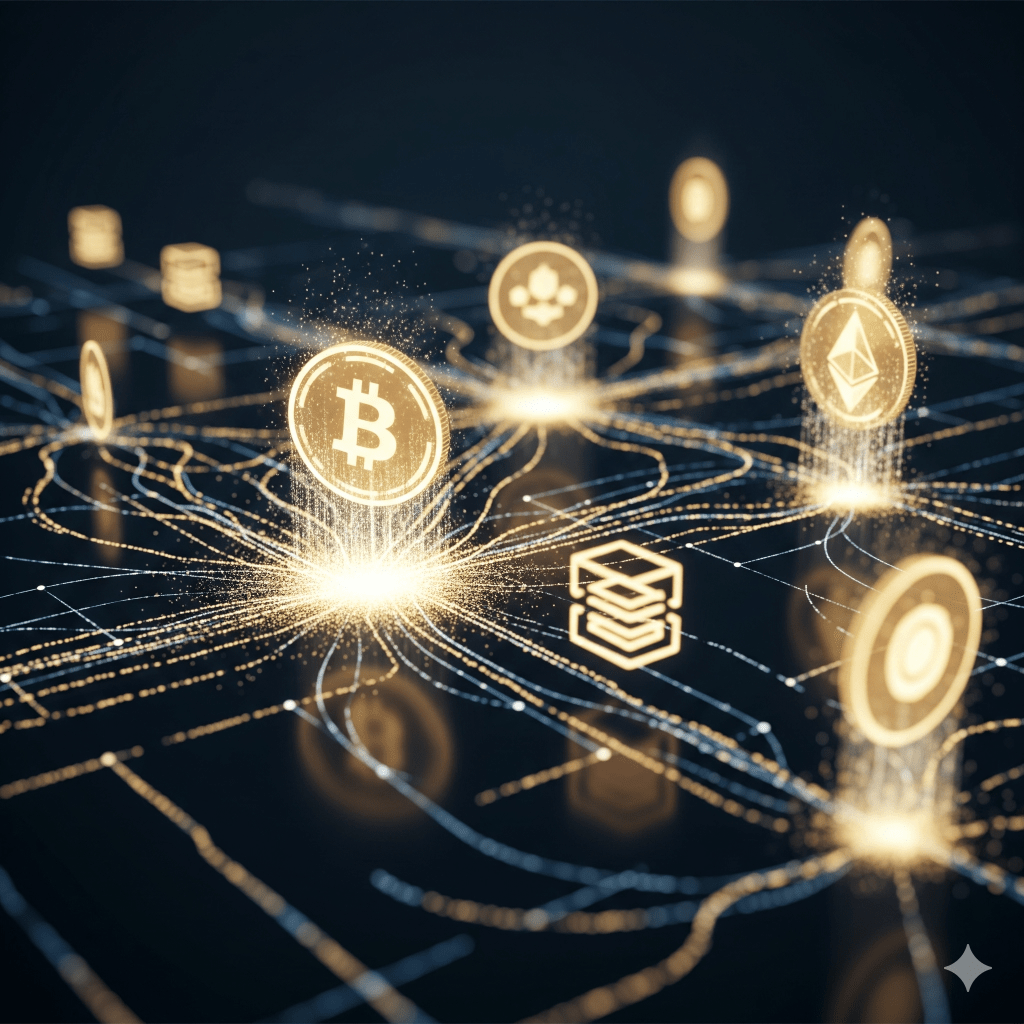
In today’s digital economy, data is no longer just a by-product of business operations. It is increasingly viewed as a core digital asset with intrinsic value, capable of being owned, exchanged, and monetized. The emergence of real-time data streams has accelerated this shift, positioning data not just as an informational resource but as a tradable and monetizable digital asset within a network model.
From Static Records to Real-Time Assets
Historically, data was treated as static records stored in databases, useful mainly for reporting and analysis. Today, the rise of IoT devices, financial transactions, social media activity, and sensor networks has transformed data into continuous streams of digital signals.
Real-time data assets differ from traditional datasets in three important ways:
- Timeliness: Data value is highest when it is fresh, especially for industries like finance, logistics, and healthcare.
- Contextual richness: Streaming data carries immediate context, enabling predictive insights and automated responses.
- Network-driven scalability: As streams are shared and interconnected, their value multiplies across participants in the ecosystem.
Data Monetization in Network Models
Treating data streams as digital assets opens the door to network-based business models. In such models, organizations are not only consumers but also producers and distributors of data.
Examples of monetization approaches include:
- Data Marketplaces: Companies exchange or sell access to their real-time streams, such as weather, mobility, or financial data feeds.
- Usage-Based Licensing: Access to data is priced according to volume, frequency, or latency requirements.
- Value-Added Services: Raw streams are transformed into analytics products or enriched feeds that can be sold at higher margins.
This shifts the view of data from “supporting resource” to an asset class in its own right, comparable to intellectual property or digital currencies.
Governance and Trust in Data Assets
As with any monetizable asset, governance becomes critical. The integrity and trustworthiness of data streams directly influence their market value. This requires:
- Provenance Tracking: Maintaining audit trails that verify where data originated and how it was processed.
- Access Controls and Contracts: Defining who can consume data streams and under what legal conditions.
- Compliance: Ensuring data sharing respects privacy regulations such as GDPR and PDPA.
- Fair Valuation Models: Establishing standards to price data based on quality, timeliness, and exclusivity.
Without governance, the data economy risks collapsing under issues of bias, misuse, or fraudulent feeds.
Data as the “Oil” of Networks
In a networked economy, real-time data becomes the fuel that powers autonomous agents, digital platforms, and intelligent ecosystems. Just as energy markets evolved around the commoditization of oil and electricity, digital markets will increasingly trade in streams of data assets.
Enterprises that learn to treat, price, and manage their data as a digital asset will be better positioned to unlock new revenue streams, build trust with ecosystem partners, and create differentiated value in the marketplace.
Viewing real-time data streams as monetizable digital assets reframes how businesses approach strategy, governance, and innovation. It transforms data from an operational by-product into an asset class that powers the network economy of the future.
 AI Academy
Leave a comment