We stand at the cusp of a revolution. AI agents are no longer a futuristic fantasy; they’re rapidly becoming integrated into our daily workflows, promising unprecedented levels of productivity. Yet, this promise comes with a critical question: are we truly prepared for the shift?
The Paradox Unveiled
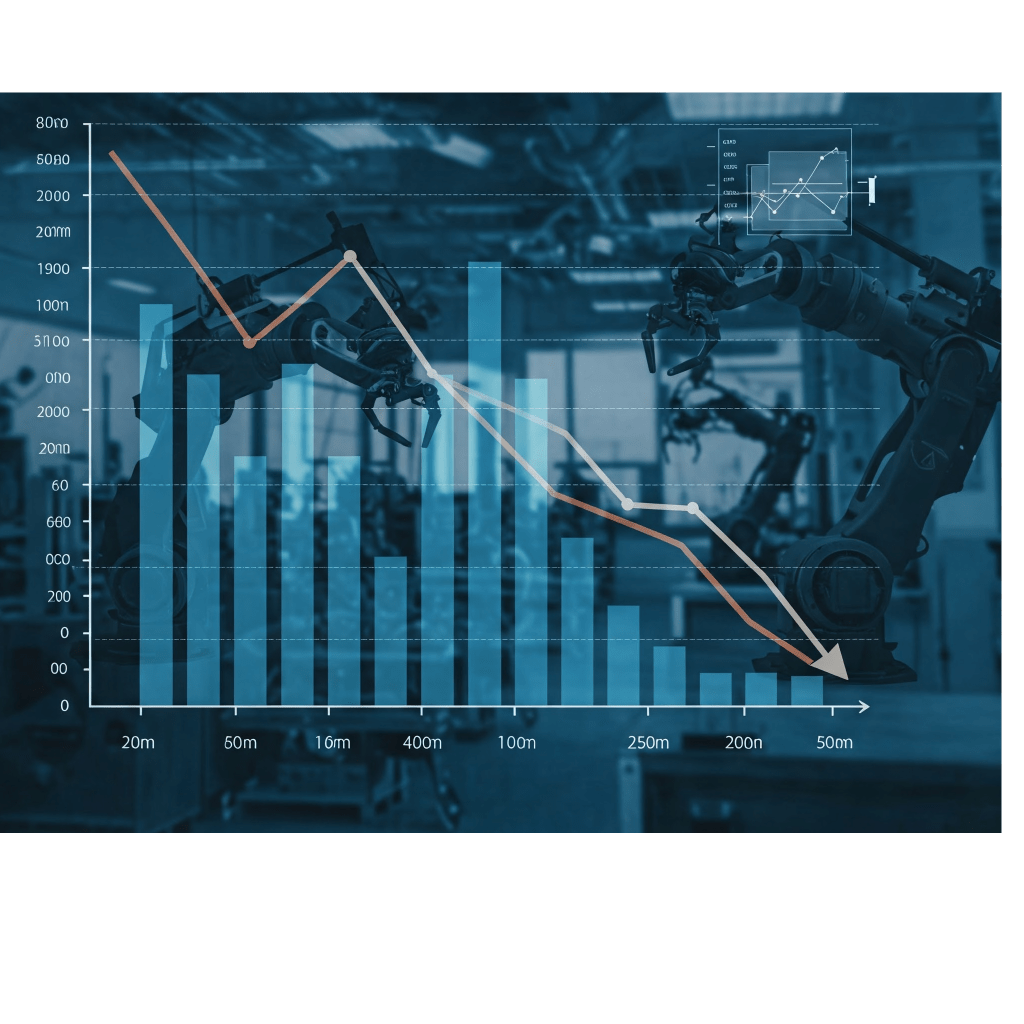
The “Productivity Paradox” arises from the observation that while technology, like AI agents, is designed to enhance efficiency, its initial implementation often leads to a temporary dip in productivity. This happens for several reasons:
- Learning Curve: Adapting to new AI-driven tools requires time and effort, leading to initial slowdowns.
- Workflow Adjustments: Integrating AI agents necessitates rethinking existing processes, which can be disruptive.
- Skill Gaps: The need for new skills to effectively collaborate with AI agents can create a temporary mismatch between workforce capabilities and technological demands.
The Essential Skills for an AI-Augmented World
To navigate this paradox and fully leverage the potential of AI agents, we must focus on developing the following skills:
- Critical Thinking and Problem-Solving: AI agents excel at data analysis, but humans are still needed to interpret results and make strategic decisions.
- Creativity and Innovation: AI agents can generate ideas, but humans provide the spark of originality and the ability to think outside the box.
- Emotional Intelligence and Communication: Building strong relationships and fostering collaboration remains a human strength, essential for effective teamwork in an AI-augmented environment.
- Adaptability and Lifelong Learning: The AI landscape is constantly evolving, requiring professionals to embrace continuous learning and adapt to new technologies.
- Ethical Awareness: Understanding and navigating the ethical implications of AI is crucial for responsible and sustainable adoption.
Beyond Technical Proficiency
While technical skills are important, the focus must shift toward developing “soft skills” that complement AI capabilities. It’s about fostering a human-AI synergy, where each plays to their strengths.
The “Productivity Paradox” is not a roadblock; it’s an opportunity. It forces us to ask critical questions about our readiness for the AI revolution.
 AI Academy
Leave a comment