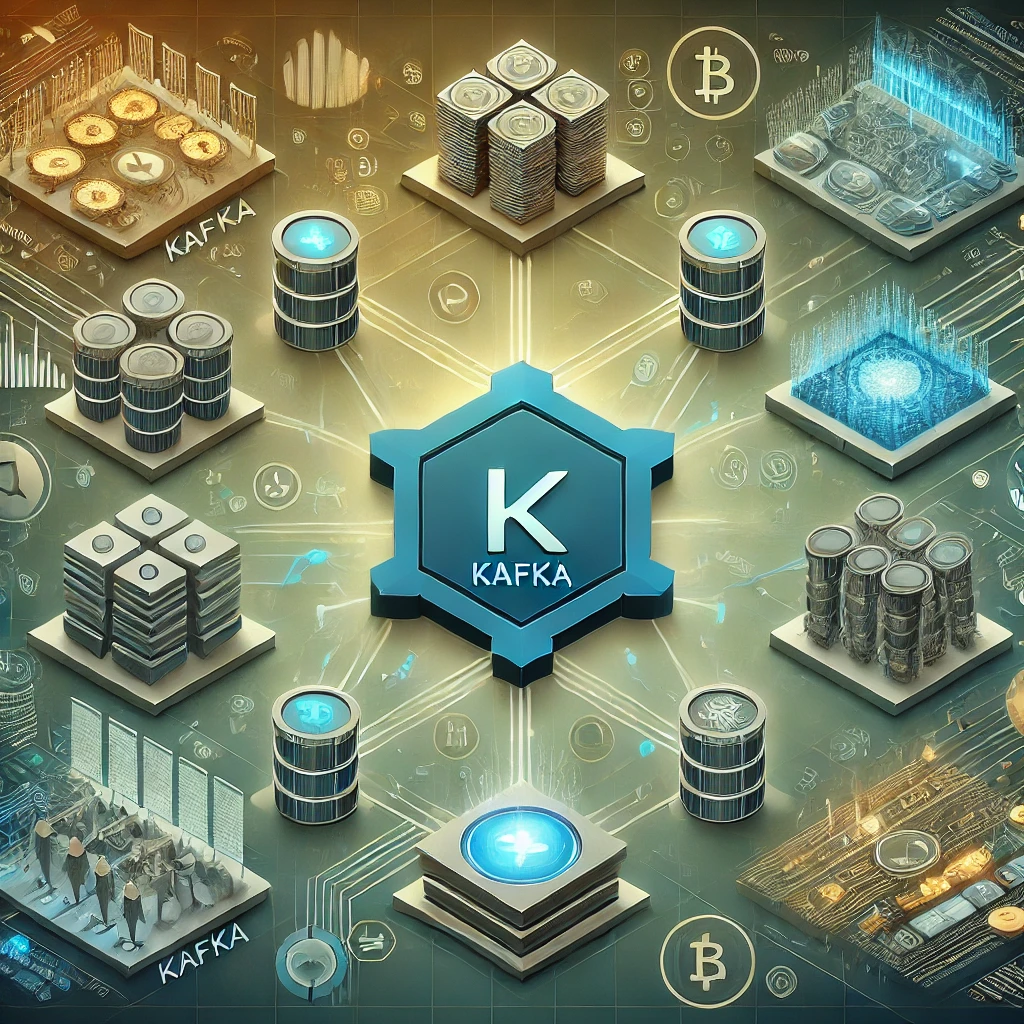
Organizations often rely on multiple ledger technologies to manage transactions, maintain records, and ensure compliance. These ledgers, whether they be traditional databases, distributed ledgers, or blockchain systems, often operate in isolation, creating silos of data that are difficult to integrate and analyze holistically. This is where Kafka comes into play, offering a real-time, scalable solution to bridge these disparate ledger technologies seamlessly.
In this article, we explore how Kafka can act as the connective tissue between various ledger technologies, enabling organizations to streamline data integration, enhance transparency, and improve decision-making.
The Challenge of Different Ledger Technologies
Different ledger systems, such as blockchain, traditional financial ledgers, and distributed ledger technologies (DLTs), serve diverse purposes. However, integrating these systems poses significant challenges:
- Data Silos: Ledgers are often designed to operate independently, making it difficult to share information between systems. This creates inefficiencies and complicates auditing and reporting processes.
- Inconsistent Data Formats: Each ledger technology typically uses its own data structure, making it difficult to synchronize and reconcile data between them.
- Latency and Performance: Blockchain and DLTs may introduce latency due to their consensus mechanisms, making real-time integration with traditional ledgers a challenge.
- Scalability: As the number of transactions increases, so does the complexity of managing multiple ledger technologies in parallel.
Kafka: The Bridge Between Ledgers
Kafka, with its powerful event-streaming capabilities, provides a robust solution to overcome these challenges. Here’s how Kafka bridges different ledger technologies:
- Real-Time Data Streaming: Kafka can stream real-time data between different ledgers, ensuring that all systems are synchronized with up-to-date information. This is particularly useful for scenarios like cross-border payments, where multiple ledger systems must communicate seamlessly.
- Data Integration Hub: Kafka serves as a central data integration hub, capable of ingesting, processing, and distributing data across various ledger technologies. It acts as the conduit between different data formats, allowing organizations to reconcile data from blockchain systems, traditional databases, and distributed ledgers in real-time.
- Event-Driven Architecture: Kafka’s event-driven architecture ensures that whenever a transaction is recorded in one ledger, it can trigger corresponding events in other ledgers. For example, a transaction recorded on a traditional ledger can automatically trigger a record on a blockchain for audit purposes, ensuring consistency and transparency.
- Scalability: Kafka’s distributed architecture allows organizations to scale their data integration efforts across multiple ledger systems. Whether handling thousands or millions of transactions, Kafka can ensure that data flows between ledgers efficiently and without bottlenecks.
- Data Reconciliation and Validation: Kafka can be used to validate data across different ledgers, ensuring that the records are consistent and accurate. By creating a single source of truth for all ledger transactions, Kafka helps organizations maintain data integrity and compliance.
Use Cases for Kafka in Bridging Ledger Technologies
- Cross-Border Payments: In the financial industry, cross-border payments often involve multiple currencies and ledger systems. Kafka can help synchronize these transactions across different ledgers, ensuring compliance with local regulations while providing real-time transaction visibility.
- Supply Chain Management: In supply chains, where multiple parties may use different ledger technologies to track goods, Kafka can act as the middleware that ensures all parties have access to accurate and up-to-date information. This enhances transparency and traceability throughout the supply chain.
- Regulatory Compliance: Organizations dealing with regulatory compliance often use multiple ledger technologies to track transactions. Kafka can help synchronize and consolidate these records, ensuring that regulators have a comprehensive view of compliance activities.
- Auditing and Reporting: Kafka’s ability to stream real-time data from multiple ledgers can be used to automate auditing and reporting processes. By ensuring that data from all ledgers is reconciled and validated in real-time, organizations can reduce the time and cost associated with manual audits.
As organizations adopt a mix of ledger technologies to handle various aspects of their operations, the need for a unified system to integrate these technologies becomes increasingly important. Kafka’s real-time event-streaming capabilities make it an ideal solution for bridging different ledger technologies, enabling organizations to break down data silos, enhance transparency, and improve decision-making.
By using Kafka to bridge traditional databases, blockchain, and distributed ledger technologies, organizations can future-proof their operations and create a more resilient, scalable, and compliant ecosystem.
 AI Academy
Leave a comment