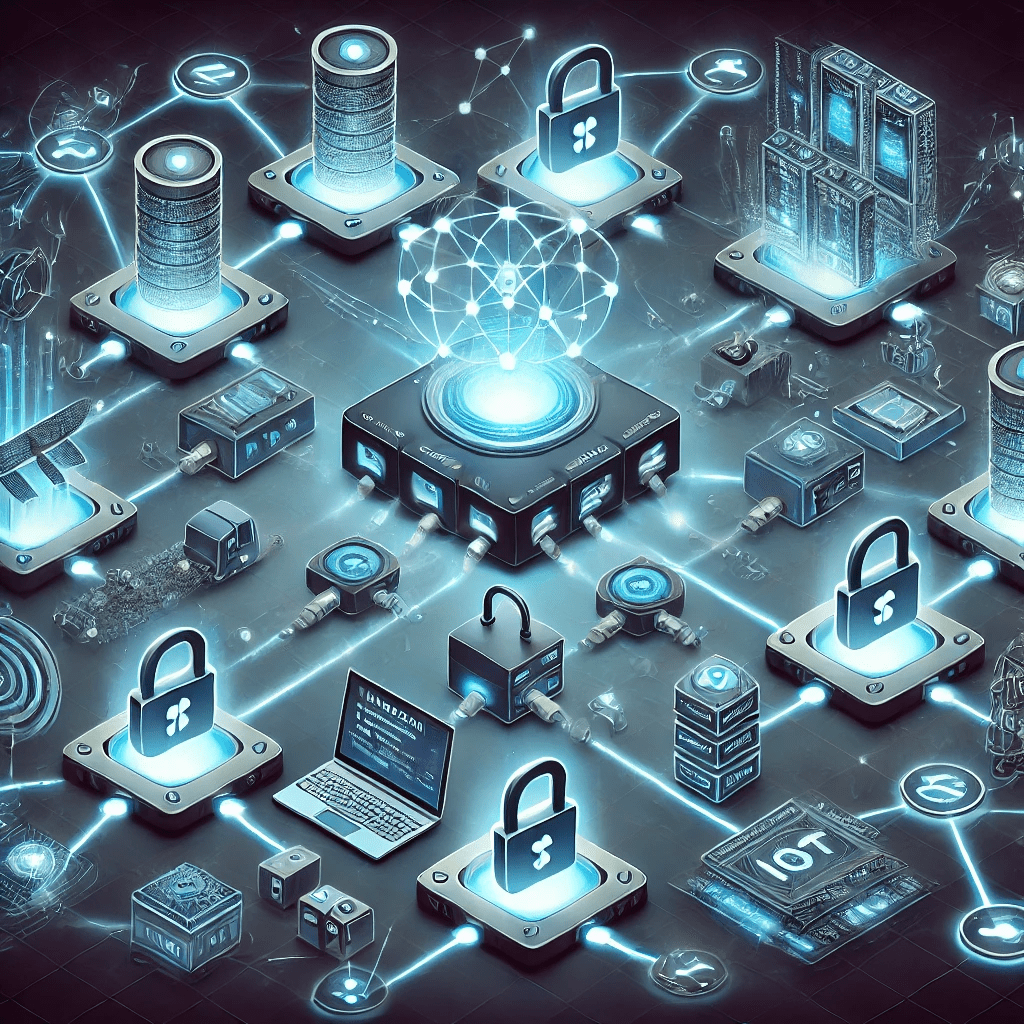
The Internet of Things (IoT) has revolutionized industries by connecting physical devices to the internet. However, the increasing number of connected devices also introduces significant security risks. To ensure the integrity and confidentiality of IoT data, robust security measures are essential. Kafka and blockchain, two powerful technologies, can play a pivotal role in building secure IoT networks.
Kafka: A Reliable and Scalable Data Pipeline
Apache Kafka is a distributed streaming platform that excels at handling large volumes of data in real-time. In the context of IoT, Kafka can serve as a central hub for collecting and processing data from various devices. By decoupling data producers and consumers, Kafka provides a reliable and scalable way to stream data to different applications.
Key benefits of using Kafka in IoT security:
- Real-time data processing: Kafka’s low latency allows for immediate analysis and detection of anomalies, enabling timely responses to security threats.
- Data integrity: Kafka’s distributed architecture ensures data durability and prevents single points of failure, safeguarding data integrity.
- Scalability: Kafka can handle massive volumes of IoT data, making it suitable for large-scale deployments.
Blockchain: An Immutable Ledger for Trust
Blockchain is a decentralized, distributed ledger technology that provides an immutable record of transactions. Its unique properties make it well-suited for securing IoT networks:
- Immutability: Once data is recorded on a blockchain, it cannot be altered or deleted, ensuring data integrity and preventing tampering.
- Transparency: Blockchain transactions are publicly visible, enhancing transparency and accountability.
- Trust: The decentralized nature of blockchain eliminates the need for a central authority, fostering trust among participants.
Applications of blockchain in IoT security:
- Data provenance: Blockchain can track the origin and journey of IoT data, providing proof of authenticity and preventing data manipulation.
- Device authentication: Blockchain can be used to verify the authenticity of IoT devices and prevent unauthorized access.
- Smart contracts: Self-executing contracts based on blockchain can automate security protocols and enforce compliance.
Challenges and Considerations
While the combination of Kafka and blockchain offers significant benefits, there are challenges to consider:
- Complexity: Integrating these technologies into existing IoT networks can be complex and require specialized knowledge.
- Latency: Blockchain transactions can introduce latency, which may not be suitable for all real-time IoT applications.
- Scalability: While Kafka is highly scalable, blockchain’s scalability can be a concern, especially in networks with a large number of transactions.
Despite these challenges, the synergy between Kafka and blockchain holds great promise for building secure and efficient IoT networks. As these technologies continue to evolve, they are likely to play a critical role in shaping the future of IoT.
Combining Kafka and Blockchain for Enhanced Security
Using Kafka and blockchain, organizations can create highly secure IoT networks:
- Data ingestion and processing: Kafka can collect and process IoT data in real-time, ensuring efficient data flow.
- Data validation and storage: Blockchain can be used to validate the integrity of incoming data and store it immutably.
- Anomaly detection: Kafka can analyze data streams for suspicious patterns, while blockchain can provide historical context for anomaly detection.
- Access control: Blockchain can implement fine-grained access controls for IoT devices and data.
- Auditability: Blockchain’s immutable ledger provides a transparent and auditable record of IoT activities.
The combination of Kafka and blockchain offers a powerful solution for building secure IoT networks.
 AI Academy
Leave a comment