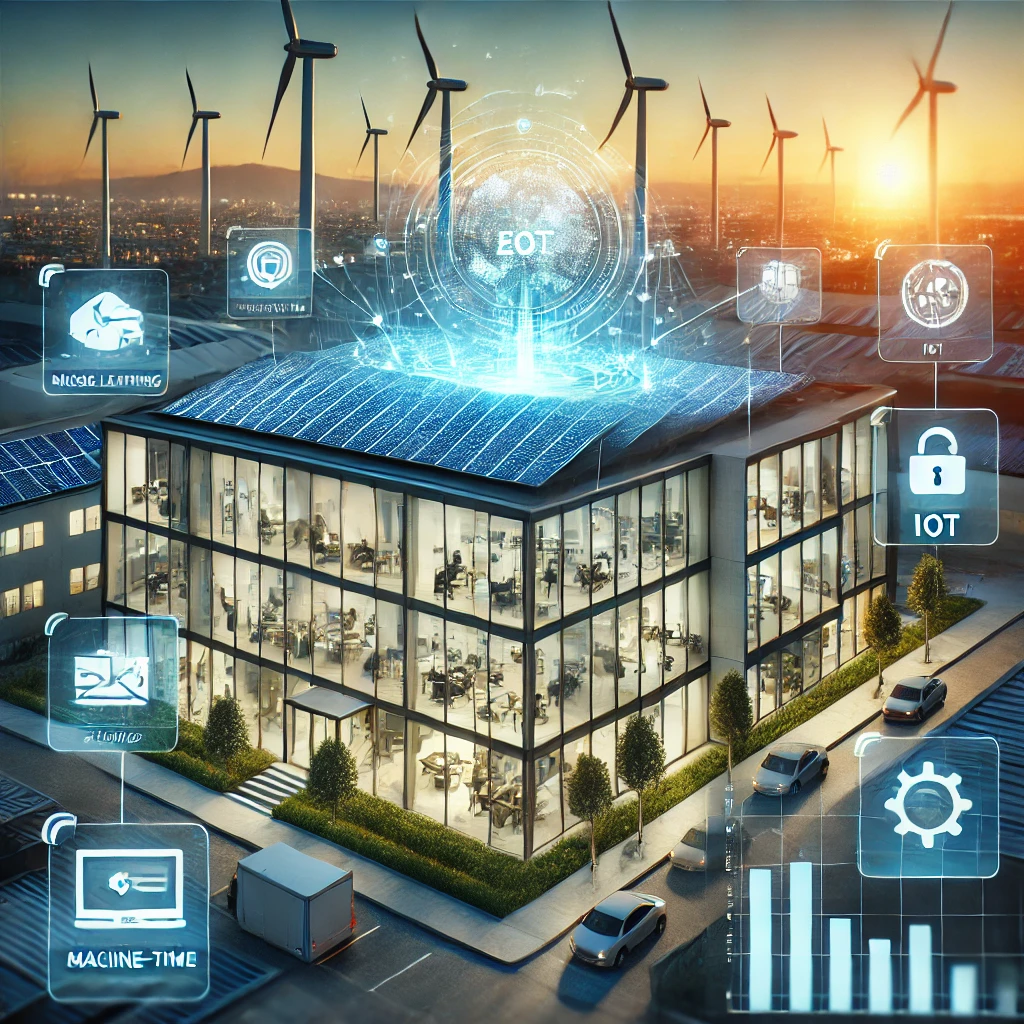
The global energy crisis, coupled with the increasing emphasis on sustainability, has propelled the concept of smart energy to the forefront. This innovative approach uses technology to optimize energy consumption, reduce costs, and minimize environmental impact.
Understanding Smart Energy
Smart energy revolves around the intelligent management of energy generation, distribution, and consumption. It encompasses a wide range of technologies, including smart meters, renewable energy sources, energy storage systems, and advanced analytics. By integrating these elements, smart energy systems can achieve significant efficiency gains and contribute to a greener planet.
The Role of Data and Analytics
At the heart of smart energy lies data. Smart meters and other sensors collect vast amounts of information about energy consumption patterns, grid conditions, and renewable energy generation. Advanced analytics techniques, such as machine learning and artificial intelligence, are employed to extract valuable insights from this data.
Real-world example: Utilities like Pacific Gas and Electric (PG&E) utilize smart meters and data analytics to identify peak demand periods, implement time-of-use pricing, and encourage energy conservation during these times.
(https://portlandgeneral.com/about/who-we-are/innovative-energy/smart-grid-test-bed)
Key Components of Smart Energy
- Smart Grids: These are modernized electrical grids that can efficiently integrate renewable energy sources, optimize power flow, and improve reliability.
- Energy Storage: Batteries, thermal storage, and other technologies store excess energy for later use, balancing supply and demand.
- Demand Response: Programs that incentivize consumers to reduce electricity consumption during peak demand periods.
- Smart Homes and Buildings: Equipped with smart devices and energy management systems, these structures optimize energy usage.
Optimizing Energy Consumption
Smart energy systems offer various strategies to optimize consumption:
- Predictive Analytics: By analyzing historical data and real-time information, energy consumption patterns can be predicted, allowing for proactive measures to be taken.
- Demand Response: Consumers can be incentivized to shift their energy usage to off-peak hours through time-of-use pricing or demand response programs.
- Energy Efficiency: Smart devices and appliances can be optimized to consume less energy while maintaining performance.
- Renewable Energy Integration: Smart grids can effectively integrate renewable energy sources like solar and wind power.
Real-world example: Nest thermostats utilize machine learning to optimize heating and cooling schedules based on user preferences and weather conditions, resulting in significant energy savings.
(https://www.amazon.com/Nest-T3007ES-Thermostat-Temperature-Generation/dp/B0131RG6VK)
Challenges and Opportunities
While smart energy holds immense promise, it also presents challenges, such as infrastructure investments, data privacy concerns, and cybersecurity risks. However, the potential benefits, including cost savings, environmental protection, and grid stability, outweigh these obstacles.
 AI Academy
Leave a comment