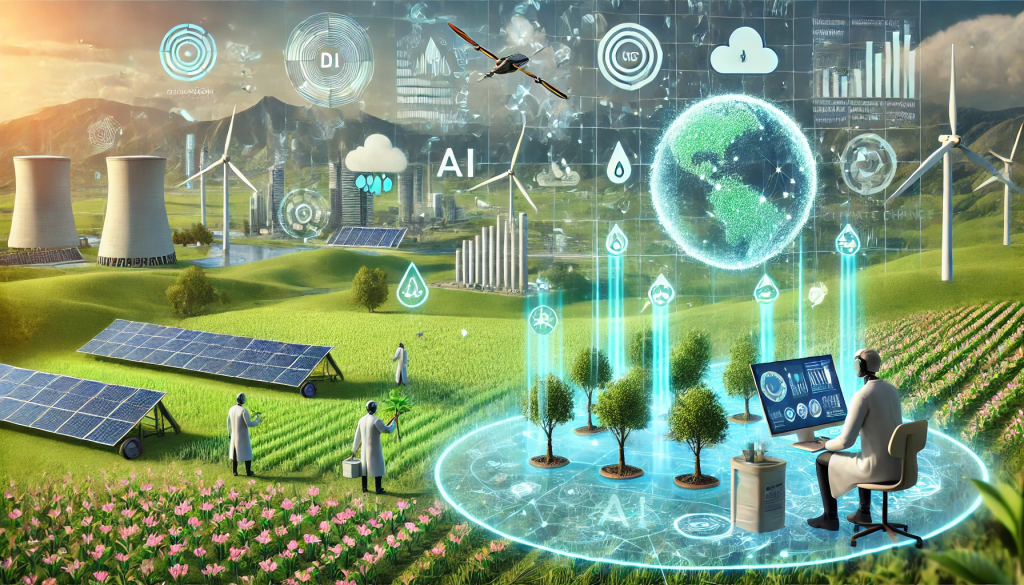
Artificial intelligence offers innovative solutions to analyze climate data, predict weather patterns, and optimize resource management for a sustainable future. One of the primary applications of AI in climate science is the analysis of vast amounts of climate data. Climate change research involves processing and interpreting data from various sources, including satellite imagery, weather stations, and ocean buoys. Traditional data analysis methods can be time-consuming and limited in scope. AI, particularly machine learning algorithms, can handle these large datasets efficiently, identifying patterns and trends that might be missed by human analysis
For example, AI models can analyze historical climate data to detect anomalies and long-term changes in temperature, precipitation, and sea levels. These models can also integrate data from different sources to provide a more comprehensive view of the Earth’s climate system. By improving our understanding of climate dynamics, AI can help scientists make more accurate predictions about future climate scenarios.
Predicting Weather Patterns
Accurate weather prediction is crucial for preparing for and mitigating the effects of extreme weather events, which are becoming more frequent and severe due to climate change. AI can enhance the accuracy of weather forecasts by analyzing complex meteorological data and identifying subtle patterns that influence weather conditions.
Deep learning algorithms, a subset of AI, are particularly effective in this area. They can process vast amounts of data from satellites, radar, and other sensors to predict weather events with high precision. For instance, IBM’s Watson and Google’s DeepMind have developed AI systems that can predict the path and intensity of hurricanes and other extreme weather events, providing valuable time for communities to prepare and respond.
Optimizing Resource Management
AI can also play a pivotal role in optimizing resource management to reduce greenhouse gas emissions and promote sustainability. This includes enhancing energy efficiency, managing natural resources, and reducing waste.
In the energy sector, AI can optimize the operation of renewable energy sources such as wind and solar power. AI algorithms can predict energy production based on weather forecasts and adjust the power grid to ensure a stable supply of electricity. This not only maximizes the use of renewable energy but also reduces reliance on fossil fuels.
Additionally, AI can improve the efficiency of agricultural practices, which are a significant source of greenhouse gas emissions. Precision agriculture uses AI to monitor crop health, soil conditions, and weather patterns to optimize the use of water, fertilizers, and pesticides. This leads to higher yields with lower environmental impact.
Mitigating Climate Change Effects
Beyond analysis and prediction, AI can also aid in direct mitigation efforts. For example, AI-driven reforestation projects use drones and AI algorithms to identify optimal planting sites and monitor the health of newly planted trees. This helps increase the success rate of reforestation efforts, which are critical for absorbing carbon dioxide from the atmosphere.
Moreover, AI can assist in developing new materials and technologies that reduce carbon emissions. Machine learning models can accelerate the discovery of more efficient solar panels, batteries, and carbon capture technologies, contributing to a reduction in overall greenhouse gas emissions .
Challenges and Considerations
While AI offers promising solutions in the fight against climate change, there are challenges and ethical considerations to address. The development and deployment of AI technologies require significant computational resources, which themselves can contribute to carbon emissions. Therefore, it’s essential to balance the benefits of AI with its environmental footprint.
Furthermore, ensuring that AI solutions are accessible to developing countries is crucial, as these regions are often the most affected by climate change. Collaborative efforts and policies that promote the equitable distribution of AI technologies can help mitigate these disparities.
AI holds significant potential to aid in the fight against climate change by analyzing climate data, predicting weather patterns, and optimizing resource management. As AI technologies continue to evolve, they will become increasingly vital tools in our efforts to create a sustainable and resilient future. By integrating AI into climate strategies, we can enhance our ability to understand, predict, and mitigate the impacts of climate change, ultimately contributing to a healthier planet.
 AI Academy
Leave a comment