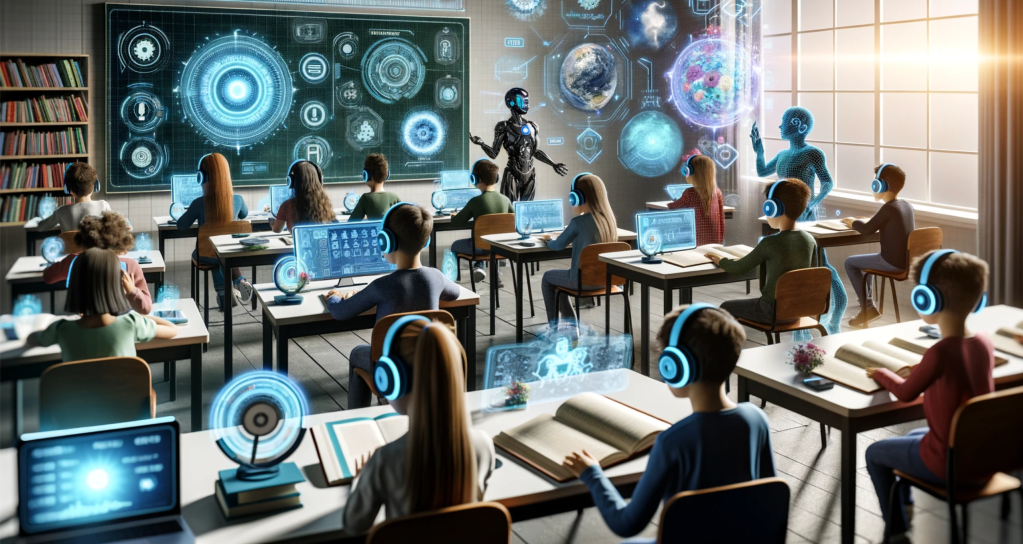
Education has a responsibility to cater to the unique needs of all learners. Thankfully, the rise of Gen AI offers a transformative opportunity to make classrooms more accessible and inclusive for students with disabilities. By using AI-powered technologies, we can create a learning environment where every student has the tools and support they need to thrive.
Breaking Down Barriers:
Gen AI offers a range of tools that can bridge the gap for students with disabilities:
- Text-to-Speech (TTS) and Speech-to-Text (STT): Imagine a student with visual impairments being able to access learning materials through high-quality TTS software. Conversely, STT allows students with speech difficulties to actively participate in class discussions by converting their spoken words to text.
- Sign Language Recognition: Gen AI can break down communication barriers for deaf and hard-of-hearing students by recognizing sign language and translating it into text or spoken language. This fosters active participation and a sense of belonging in the classroom.
- Adaptive Interfaces and Automatic Captions: AI can automatically adjust interfaces based on individual needs, making them easier to navigate for students with motor skill limitations. Additionally, automatic captioning of lectures and videos ensures all students can access the information being presented.
- Braille Conversion: By converting digital text into Braille format, AI creates a pathway for visually impaired students to independently access learning materials.
Personalized Learning for All
The benefits of Gen AI extend beyond accessibility. By analyzing student data and identifying individual strengths and weaknesses, AI can personalize learning experiences for all students, not just those with disabilities. This ensures everyone receives the appropriate level of challenge and support, fostering a more engaging and effective learning environment.
Ethical Considerations and the Human Touch
It’s also crucial to emphasize its role as a supporting actor, not a replacement for human interaction. Ethical considerations include ensuring the tools are free from bias, protecting student data privacy, and fostering a learning environment that encourages critical thinking and social interaction. The human connection between teacher and student remains irreplaceable.
This technology is paving the way for a future where education is truly accessible and inclusive for all learners. By embracing this technology and prioritizing ethical considerations, we can create classrooms where every student feels empowered to reach their full potential.
 AI Academy
Leave a comment