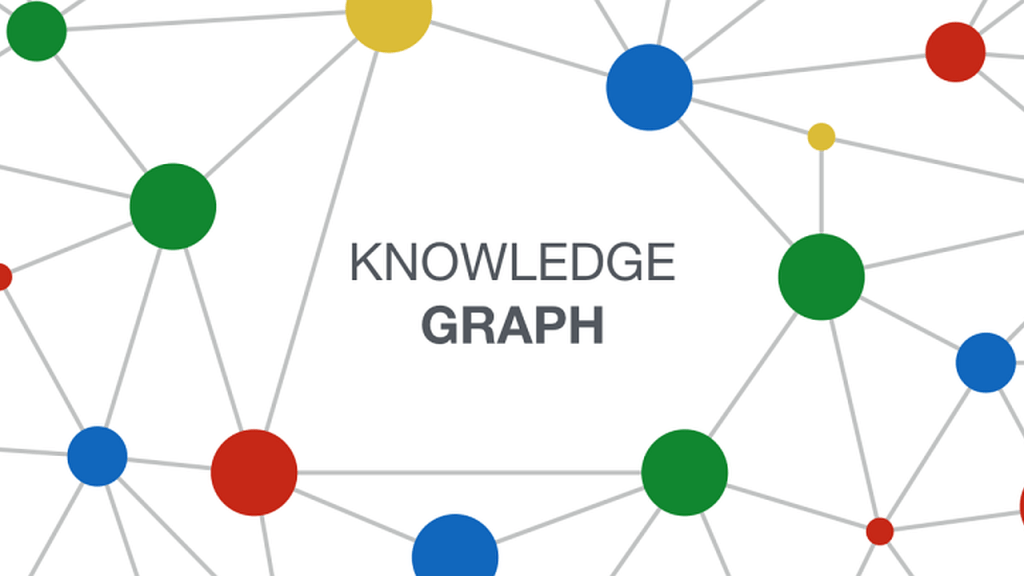
Photocredits: https://realkm.com/2023/03/06/introduction-to-knowledge-graphs-part-2-history-of-knowledge-graphs/
Data representation and organization has witnessed significant evolution, especially in the last few decades. Central to this evolution is the concept of the Knowledge Graph (KG). But where did it all start? And how did we progress from simple linked data structures known as semantic webs to today’s sophisticated AI-integrated knowledge graphs?
The Dawn of Semantic Webs
The idea behind semantic webs dates back to the early 2000s, introduced by Tim Berners-Lee, the inventor of the World Wide Web. A semantic web is essentially a web of data enriched with semantics or meaning. It’s built on standardized specifications like RDF (Resource Description Framework) to represent data and the relationships between data points. The semantic web was envisioned as a universal medium where information could be easily understood and shared by both machines and humans.
Transition to Knowledge Graphs
With the vast amounts of data generated every day, there arose a need for more structured, interconnected, and meaningful ways to represent this data. This led to the birth of knowledge graphs. KGs took the foundational principles of semantic webs and added layers of complexity, depth, and application. They are essentially a collection of interlinked descriptions of entities – objects, events, or concepts.
Companies like Google adopted KGs for enhancing search results, understanding user queries better, and providing a richer search experience. The Google Knowledge Graph, introduced in 2012, became a benchmark for many similar implementations.
AI Integration: A Game-Changer
With the explosion of machine learning and artificial intelligence technologies, KGs found a new purpose. They are now used to:
- Train Machine Learning Models: KGs provide structured and labeled data that can be used to train supervised machine learning models.
- Enhance Natural Language Understanding: They aid in understanding context and semantics, helping chatbots and voice assistants offer more relevant responses.
- Recommendation Systems: By analyzing user behaviors and patterns in the context of a knowledge graph, systems can make more accurate and personalized product or content recommendations.
- Visual Data Exploration: Advanced AI algorithms can traverse KGs to visualize data connections, offering insights that might be overlooked in traditional data analyses.
Looking Forward
The integration of AI into knowledge graphs has expanded their potential manifold. As AI technologies evolve, so will the applications and capabilities of KGs. From personalized healthcare recommendations to real-time data analysis in business, the possibilities are vast and exciting.
The journey of knowledge representation, from semantic webs to AI-driven knowledge graphs, is a testament to the power of structured data. As we stand on the cusp of more technological breakthroughs, knowledge graphs will undeniably play a pivotal role in shaping the future of information processing and utilization.
 AI Academy
Leave a comment