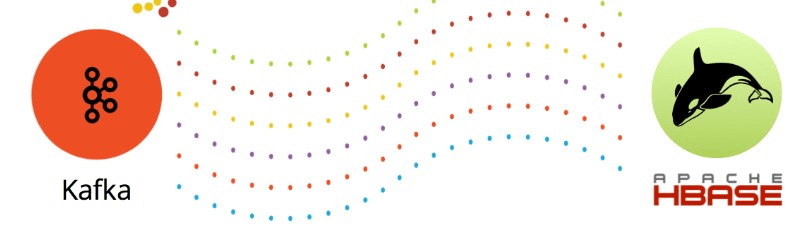
Photo Credits: https://www.striim.com/blog/kafka-to-hbase/
Businesses are constantly seeking efficient and scalable solutions to handle large volumes of streaming data. Apache HBase and Apache Kafka emerge as two powerful tools that, when integrated, offer a robust foundation for building real-time data streaming applications. In this article, we will explore how HBase and Kafka can be seamlessly integrated, discussing the underlying concepts, implementation strategies, and providing real-world examples to showcase their combined potential.
Understanding HBase and Kafka:
HBase is a distributed, column-oriented database built on top of the Hadoop ecosystem. It provides high scalability, fault-tolerance, and low-latency access to large-scale structured data. With its strong consistency and ability to handle massive data sets, HBase is a popular choice for applications that require random, real-time read/write access.
On the other hand, Kafka is a distributed event streaming platform that acts as a high-throughput, fault-tolerant, publish-subscribe messaging system. It is designed to handle real-time data feeds and enables seamless data integration and communication between various components of a streaming data pipeline. Kafka’s distributed architecture and durability make it an ideal choice for building scalable and fault-tolerant data streaming applications.
Integration Strategies for HBase and Kafka:
- HBase as a Sink for Kafka: In this integration pattern, Kafka acts as a data source, producing data streams that are consumed by HBase. The Kafka Connect framework, coupled with HBase connectors, enables seamless ingestion of streaming data into HBase tables. This approach is beneficial when you need to persist and query real-time streaming data in HBase for further analysis or serving.
- Kafka as a Source for HBase: In this pattern, Kafka acts as a data publisher, producing streams of data that are consumed by HBase clients. The Kafka Producer API allows you to publish data directly from various sources into Kafka topics, which can then be consumed by HBase clients for real-time processing and storage. This approach is suitable when you want to capture and store real-time data updates in HBase, ensuring data consistency and availability.
Real-World Examples of HBase and Kafka Integration:
- Social Media Analytics: Imagine a scenario where you want to analyze real-time social media feeds and identify trending topics or sentiments. Kafka can be used to ingest the streaming data from social media platforms, while HBase serves as a scalable storage layer for storing and querying the processed data. By integrating HBase and Kafka, you can efficiently handle the high-volume, real-time data streams and perform analytics on the fly.
- Internet of Things (IoT) Data Processing: IoT devices generate a massive amount of data that needs to be processed and stored in real-time. Kafka can act as a central message hub, collecting data from IoT devices, and forwarding it to HBase for storage and subsequent analysis. With this integration, you can ensure reliable and scalable ingestion of IoT data into HBase, enabling real-time decision-making and monitoring of IoT systems.
Challenges and Considerations:
- Data Consistency: Ensuring data consistency between Kafka and HBase is crucial, especially in scenarios where data updates need to be reflected in real-time. Strategies such as using Kafka transactional guarantees or implementing appropriate data synchronization mechanisms become essential to maintain data integrity.
- Scalability and Fault-Tolerance: Both HBase and Kafka are designed to be scalable and fault-tolerant. However, proper configuration and infrastructure planning are necessary to handle increased workloads, guarantee high throughput, and maintain data availability in the face of failures.
- Schema Evolution: Managing schema changes and evolution can be challenging when integrating HBase and Kafka. As the data schema evolves over time, it is essential to have strategies in place to handle schema compatibility, data migrations, and versioning to ensure smooth integration and compatibility between HBase and Kafka.
Benefits of HBase and Kafka Integration:
- Real-Time Data Processing: By integrating HBase and Kafka, organizations can process and analyze streaming data in real-time. This enables timely insights, rapid decision-making, and immediate actions based on the latest data, enhancing operational efficiency and competitive advantage.
- Scalability and Performance: HBase’s scalability and low-latency access, coupled with Kafka’s distributed architecture and high-throughput capabilities, provide a powerful combination for handling large volumes of data. The integration allows for horizontal scaling and parallel processing, ensuring efficient data streaming and processing even in high-demand scenarios.
- Fault-Tolerant and Reliable Data Pipelines: The fault-tolerant nature of both HBase and Kafka ensures data durability and availability. In the event of failures or disruptions, data can be reliably stored, processed, and recovered, leading to robust data pipelines and reducing the risk of data loss.
- Flexibility and Extensibility: The integration of HBase and Kafka offers flexibility in designing data processing pipelines. Organizations can easily extend their architecture by incorporating additional tools and technologies to complement HBase and Kafka, enabling advanced analytics, machine learning, and other data-driven applications.
The integration of Apache HBase and Apache Kafka brings together the strengths of both technologies, providing a powerful solution for real-time data streaming applications. Whether it’s social media analytics, IoT data processing, or any other use case that requires efficient handling of streaming data, the combination of HBase and Kafka offers scalability, reliability, and real-time insights. By leveraging their integration, organizations can stay at the forefront of data-driven decision-making and unlock new opportunities for innovation and growth.
#HBase #Kafka #RealTimeData #DataStreaming #BigData #Analytics #Integration #DataProcessing #IoT #DigitalTransformation #Technology #Scalability #FaultTolerance
 AI Academy
Leave a comment